
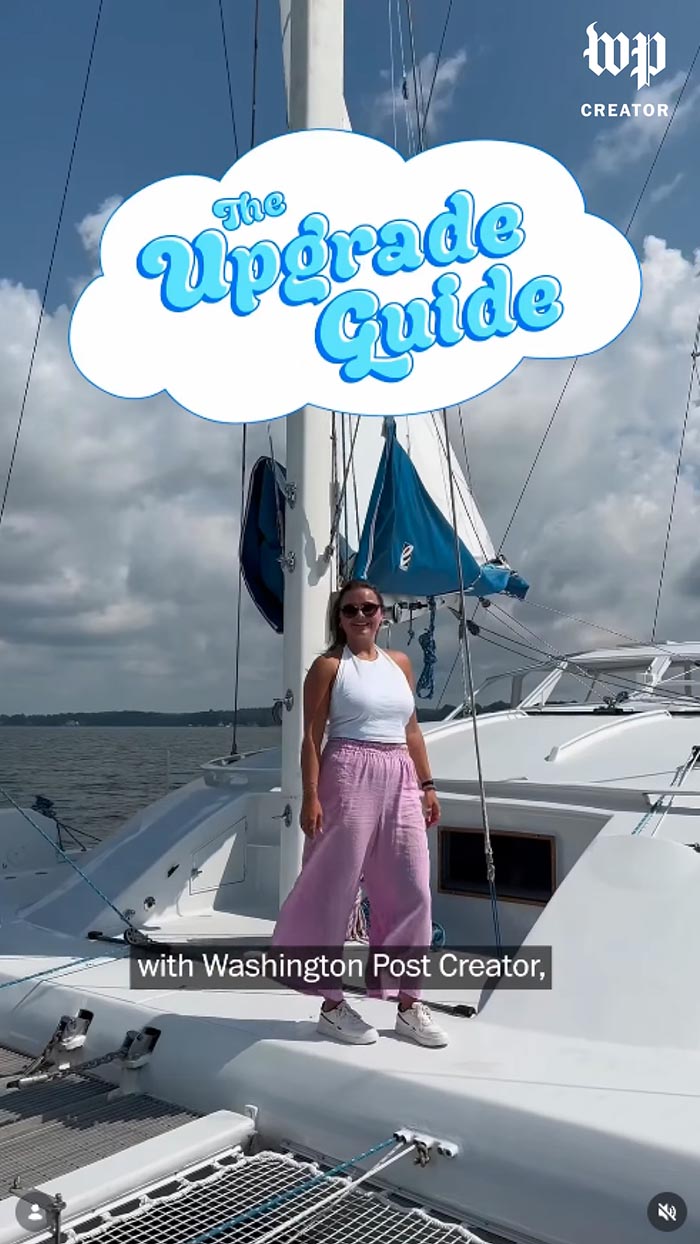
Additionally, Washington Post Creator brings authentic voices shaping the world, and Washington Post Intelligence provides insights and connections to senior executives navigating critical issues.
Washington Post Creator and Washington Post Intelligence are divisions of The Washington Post, separate from the newsroom and Opinion section.




Publisher & CEO
Executive Editor
Interim Opinions Editor
Chief Revenue Officer
Chief Human Resources Officer
Chief Financial Officer
Chief of Print Operations
Vice President, General Counsel & Labor
Chief Technology Officer
Chief Strategy Officer
The Washington Post is owned by Jeff Bezos, executive chairman of Amazon.
Our mission is built on these seven Founding Principles, which remain as important today as they were when written by Eugene Meyer in 1935.

The first mission of a newspaper is to tell the truth as nearly as the truth may be ascertained.
The newspaper shall tell all the truth so far as it can learn it, concerning the important affairs of America and the world.
As a disseminator of the news, the paper shall observe the decencies that are obligatory upon a private person.
What it prints shall be fit reading for the young as well as the old.
The newspaper’s duty is to its readers and to the public at large, and not to the private interests of its owners.
In the pursuit of truth, the newspaper shall be prepared to make sacrifices of its material fortunes, if such course be necessary for the public good.
The newspaper shall not be the ally of any special interest, but shall be fair and free and wholesome in its outlook on public affairs and public individuals.
The staff and affiliates of The Washington Post have won more than 70 Pulitzer Prizes for journalism since the awards started in 1917, including seven gold medals for public service, most recently in 2026.
Public Service
Breaking News Reporting
Investigative Reporting
Explanatory Reporting
Local Investigative Specialized Reporting
National Reporting
International Reporting
Feature Writing
Commentary
Criticism
Editorial Writing
Breaking News Photography
Feature Photography
Illustrated Reporting and Commentary
Editorial Cartooning
*The Post currently holds the most public service medals of any publication this century.
Since our founding in 1877, The Washington Post has grown from a four-page print newspaper in the nation’s capital to a trusted source for 24/7 national and global news and information. A look back through our history tells the story of how we arrived here.
In January, The Post announces a new global initiative, the Press Freedom Desk, to provide training, connection and support to strengthen the next generation of journalists. Washington Post Creator is launched, bringing authentic voices from outside the newsroom into peoples’ newsfeeds. A new Opinion vodcast, “Make It Make Sense,” makes its debut.
In February, Jeff D’Onofrio assumes the role of acting publisher and CEO.
In May, The Post wins the Pulitzer Prize for public service for piercing the veil of secrecy around the Trump administration's chaotic overhaul of federal agencies and chronicling in rich detail the human impacts of the cuts and the consequences for the country.
Adam O’Neal joins The Post as opinion editor.
Washington Post Intelligence is launched. A premium, business-to-business subscription service offering senior executives, policymakers, and analysts exclusive insights into the forces driving global change. Operating independently from The Post’s newsroom, Washington Post Intelligence emphasizes analysis and forecasting over traditional reporting.
The Post announces strategic partnerships with OpenAI, Alexa, Perplexity, and others to make high-quality news more accessible in LLMs and AI products like ChatGPT and Alexa+. As part of these partnerships, the chatbots and LLMs display summaries, quotes, and links to original reporting from The Post in response to relevant queries.
From The Source, a feature that allows sources to annotate stories they appear in after the stories are published, is launched.
Ripple, an all-in-one place for perspectives from across America, is introduced. Organized by topic, Ripple brings together guest writers and commentary from other publishers, combining breadth and quality to help people see the full picture.
The “Watch” tab is introduced on the Washington Post app. For the first time, users can dive into a dedicated, swipeable feed of the latest Post video journalism, for a seamless, watch-first experience.
The Post begins experimenting with options for new, more flexible, ways to subscribe, with day and week passes and single article subscriptions.
In January, William Lewis assumes the role of publisher and CEO.
Matt Murray becomes executive editor.
In August, The Post celebrates the release of three imprisoned journalists, including Post contributor Vladimir Kara-Murza, in a historic prisoner exchange with Russia.
In November, The Post launches Ask The Post AI, a generative AI experiment delivering answers to users’ questions through the world-class journalism of The Post.
The Post wins the White House Correspondents Association’s 2024 Katharine Graham Award for Courage and Accountability.
The Post launches “Conversations,” reimagining the commenting experience for subscribers. This exclusive, intuitive way for subscribers to engage with The Post’s journalism and expert talent pairs the power of AI with subscriber habit to add new dimensions to the commenting experience.
In August, Post publisher and CEO Fred Ryan steps down.

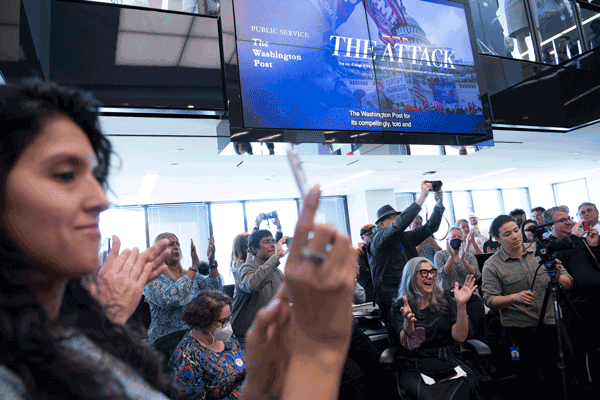
The Post wins the Pulitzer Prize for public service for its compellingly told and vividly presented account of the assault on Washington on January 6, 2021, providing the public with a thorough and unflinching understanding of one of the nation's darkest days.
In February, Marty Baron retires as executive editor of The Post.
In June, Sally Buzbee becomes the first woman to lead the newsroom as executive editor of The Post.
Washington Post Opinions establishes the Fred Hiatt internship program, in honor of the late Fred Hiatt, who led the section for more than 20 years.
In March, in response to the Covid-19 pandemic, Post employees begin to work remotely for what is expected to be a couple of weeks, but in fact stretches to nearly two years.
Throughout the pandemic, The Post continues operations at full scale.
The Post launches its TikTok account, becoming the first news organization to do so.
On October 2, Post columnist Jamal Khashoggi is brutally murdered by agents of the Saudi government. Thirty days later, The Post announces the formation of The Press Freedom Partnership, a coalition of leading nonprofit organizations working vigilantly to defend press freedom, call attention to the plight of journalists worldwide, and increase awareness of the importance of an independent media.
“The Post,” starring Meryl Streep and Tom Hanks as Katharine Graham and Ben Bradlee, is released. The film depicts the true story of The Post’s attempts to publish the Pentagon Papers.

In October, The Post introduces Arc Publishing, its software-as-a-service business.
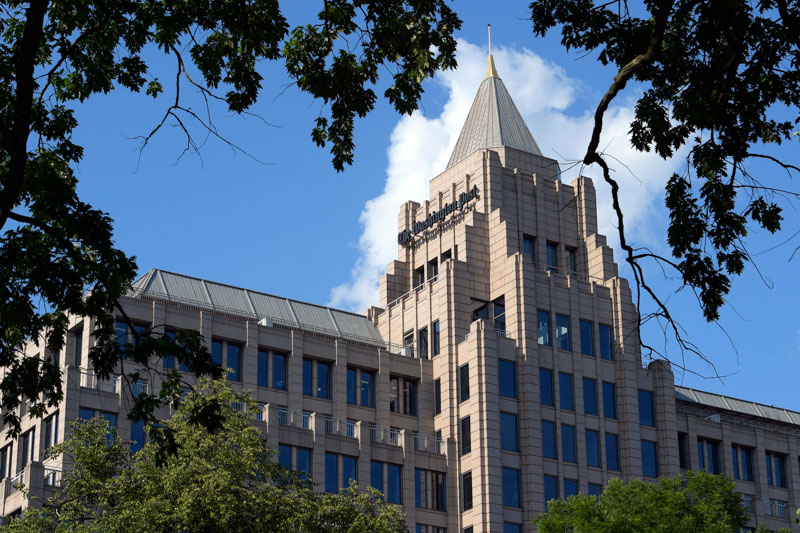
In December, The Post moves to its new headquarters at 1301 K St. NW in Washington, D.C.
In September, Frederick J. Ryan Jr. is named publisher of The Washington Post, replacing former publisher Katharine Weymouth.
The Post wins the Pulitzer Prize for public service for its revelation of widespread secret surveillance by the National Security Agency, marked by authoritative and insightful reports that helped the public understand how the disclosures fit into the larger framework of national security.
In January, Martin Baron is named executive editor of The Washington Post.
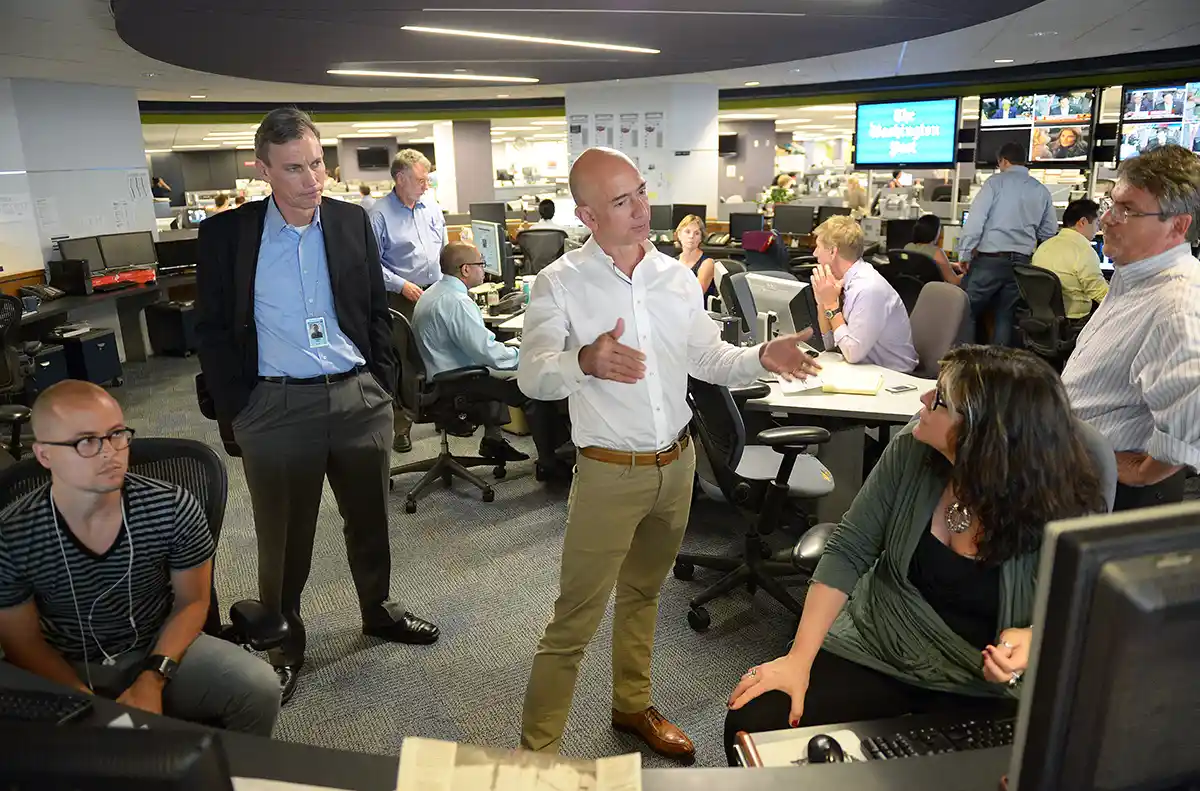
In August, an agreement is announced to sell The Washington Post newspaper and other newspaper division assets to Amazon founder Jeff Bezos, ending the Graham family’s stewardship of one of America’s leading news organizations after four generations. The sale of The Post and other newspaper division assets is completed on October 1.
“The Post is a little more swashbuckling…there’s a little more swagger. There’s a tiny bit of badassness.” – Jeff Bezos
In August, The Washington Post Co. announces the sale of Newsweek to Sidney Harman.
In February, Katharine Weymouth is named chief executive officer of Washington Post Media and publisher of The Washington Post.
In September, Marcus Brauchli is named executive editor of The Washington Post, succeeding Leonard Downie Jr.
In January, the company buys Slate, the online magazine, from Microsoft Corp.
In July, Katharine Graham dies at the age of 84.
"The nation's capital and our entire nation today mourn the loss of the beloved first lady of Washington and American journalism, Katharine Graham." – President George W. Bush.
On September 11, in the deadliest terrorist attack in history, terrorists highjack four planes and fly them into New York’s World Trade Center, the Pentagon in Arlington, Virginia, and a field in Shanksville, Pennsylvania. With smoke from the Pentagon visible from The Post’s office, and the sound of fighter jets protecting the White House just blocks away, 9/11 is a local story as much as a global one.
In September, Boisfeuillet Jones Jr. is named publisher and chief executive officer of The Washington Post. Donald Graham becomes chairman of the newspaper.

The Post wins the Pulitzer Prize for public service for its story disclosing wretched neglect and abuse in the city's group homes, which forced officials to acknowledge the conditions and begin reforms.
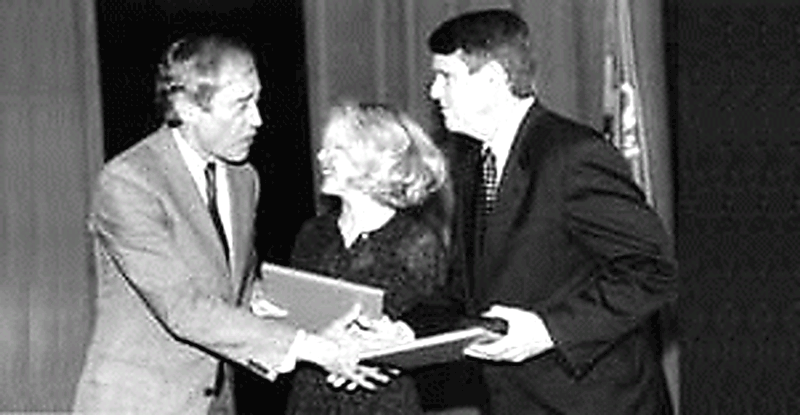
The Post begins printing in color at the renovated Springfield, Virginia plant and the new College Park, Maryland plant.
The Post wins the Pulitzer Prize for public service for its series that identified and analyzed patterns of reckless gunplay by city police officers who had little training or supervision.

In January, WCPX-TV in Orlando changes its call letters to WKMG-TV in honor of Katharine Meyer Graham.
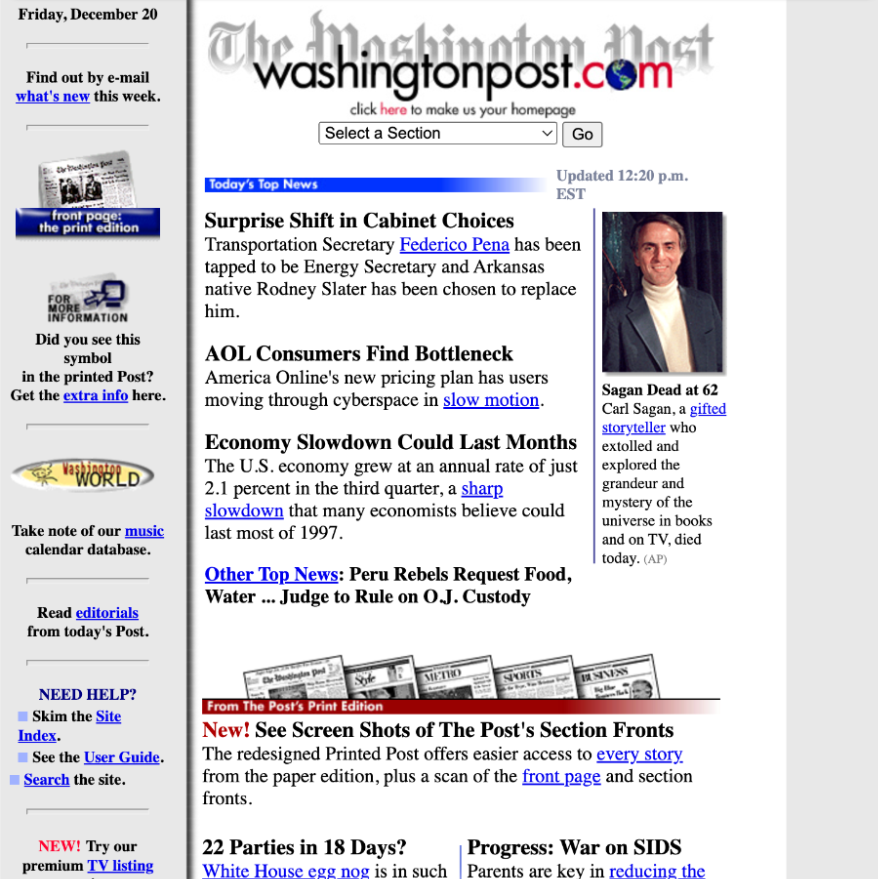
In June, The Post launches washingtonpost.com.
Donald Graham becomes chairman of the board of The Washington Post Co.
Donald Graham is named chief executive officer of The Washington Post Co., while his mother retains her corporate position of chairman of the board.
Len Downie is appointed executive editor, succeeding Ben Bradlee.
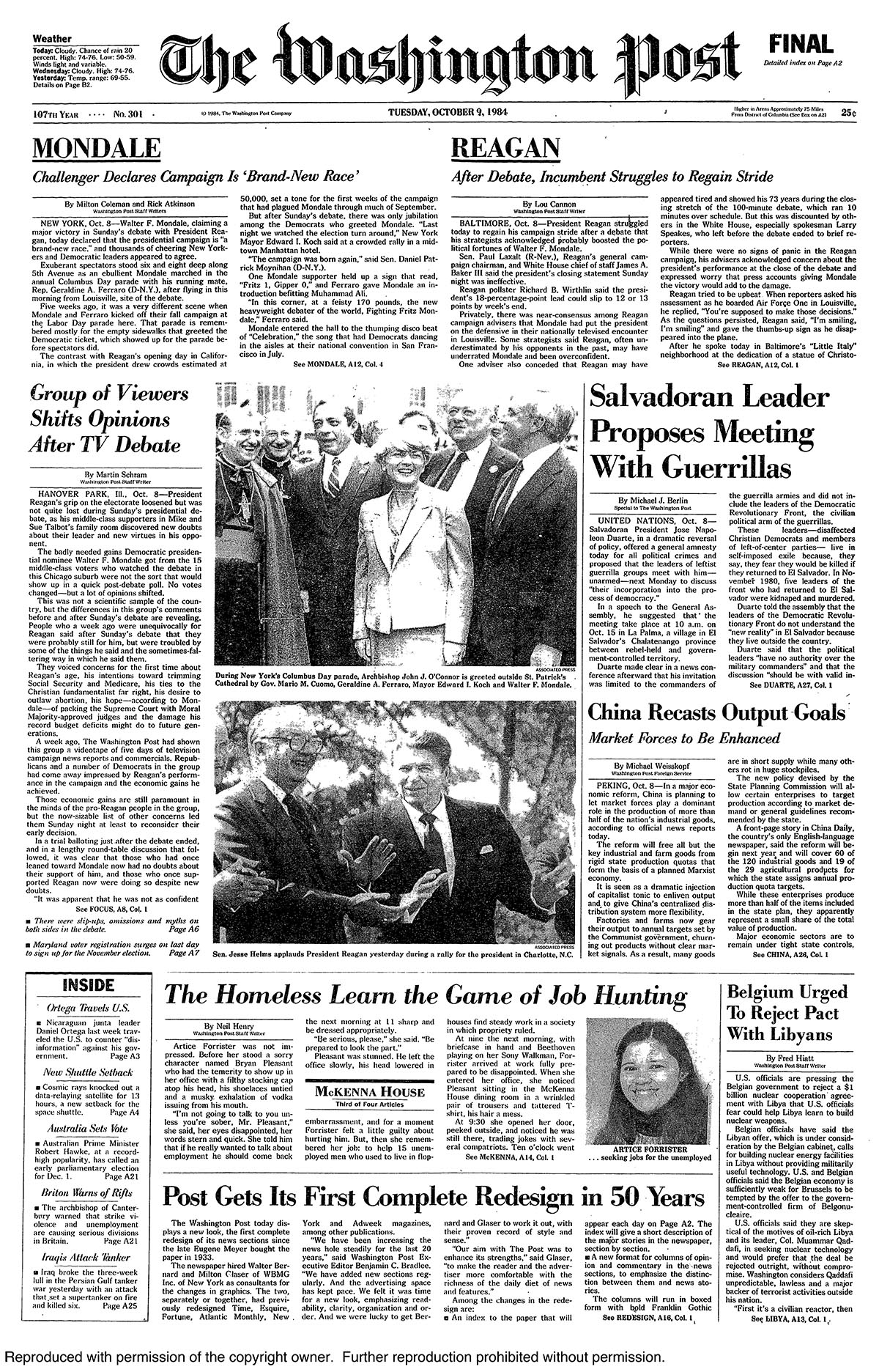
In the first complete redesign of the paper in 50 years, the October 9 edition of The Post reveals an emphasis on clarity, placement and reader ease.
In April, The Post begins publishing a weekly financial tabloid section called Washington Business.
In October, the paper’s printing process is converted from hot-type method to photo-electronic or cold type composition. The new method uses video display terminals (VDTs) to write and edit stories.
The Post’s $60 million, 397,000-square-foot satellite printing plant in Springfield, Virginia, formally opens in November. The presses can produce 128-page newspapers at a rate of about 75,000 copies per hour.
Donald Graham is named publisher of The Post, succeeding his mother.
The Washington Post celebrates its 100th anniversary.
After working at The Post in various editorial, production and executive capacities, Donald E. Graham, Katharine Graham’s son, is appointed executive vice president and general manager of the newspaper.
In April, “All the President’s Men” is released. The film about the Watergate scandal earns four Academy Awards and goes on to be selected for preservation in the U.S. National Film Registry as “culturally, historically, or aesthetically significant.”
Katharine Graham is elected chairman of the board and chief executive officer of The Washington Post Co. while continuing as publisher of The Washington Post newspaper.
The Post wins the Pulitzer Prize for public service for its investigation of the Watergate case.
The Post’s news staff begins its coverage of the Watergate scandal that eventually contributes to the resignation of Richard M. Nixon as U.S. president.
On June 18, The Post begins publishing excerpts of the “Pentagon Papers” containing allegedly secret information about the war in Vietnam. On June 30, the U.S. Supreme Court upholds the right of The Post and other newspapers to publish the Pentagon Papers.
The Washington Post Co. offers the sale of Class B common stock to the general public on the NYSE. Until then, The Post Co. had been privately held.
Katharine Graham donates radio station WTOP-FM to Howard University. On December 6, with the new call letters WHUR-FM, the station becomes the first under Black management to broadcast in the Washington metropolitan area.
In March, The Post’s daily circulation tops half a million for the first time.
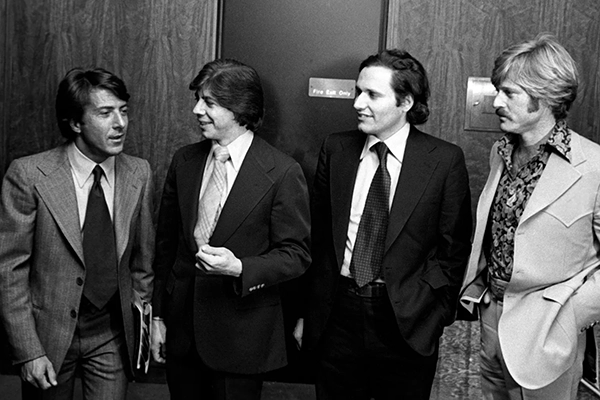

Ben Bradlee becomes executive editor.
Following the death of her husband, Philip Graham, Katharine Graham becomes president of The Washington Post Co. The first 20th century female publisher of a major American newspaper, she is also the first woman elected to the board of the Associated Press.
Upon the death of Eugene Meyer, Philip Graham becomes president and publisher of the newspaper.
The Washington Post Co. purchases its last morning rival in the city, the Washington Times-Herald. Circulation of The Washington Post and Times-Herald jumps almost overnight to 380,000.
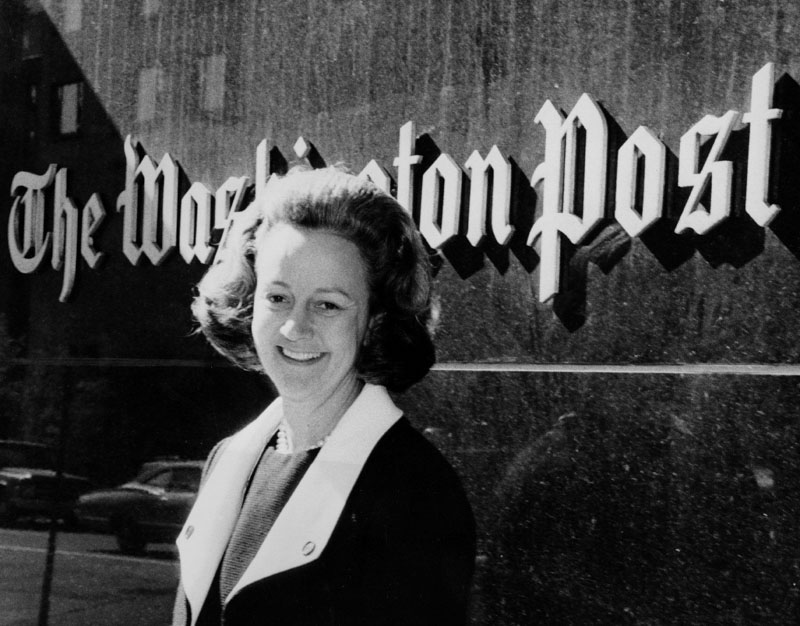
Eugene Meyer is succeeded at The Post by his son-in-law, Philip L. Graham, who had been assistant publisher.
Meyer’s enlightened editorial policies and business acumen begin to turn The Post around. In the first ten years of his leadership, circulation triples to 162,000 and advertising soars.
"It will be my aim and purpose to improve The Post and to make it an even better paper than it has been in the past. It will be conducted as an independent paper devoted to the best interests of the people of Washington and vicinity, and hopes to have their interest and support.” – Eugene Meyer
On June 1, at a public auction held on the steps of The Post, the newspaper is sold for $825,000 to California-born financier Eugene Meyer. Though not an experienced newspaperman, Meyer holds strong convictions about publishing a newspaper, which he expressed in seven Founding Principles. (See above.)
On January 28, a historic winter storm hits the mid-Atlantic, burying Washington, D.C. under 28 inches of snow, and causing the roof of the Knickerbocker Theater to collapse, killing 98 people. The Post’s drama critic, John Jay Daly, is at the theatre to review a newly released comedy film for his column. He escapes injury and for the next several days, is the top reporter and writer covering the story, as the nation waits for news about the disaster. The “Knickerbocker storm” still holds the record for the most snowfall in a single storm for Washington, D.C.
McLean's son Edward, an associate of President Warren G. Harding's, becomes publisher following the death of his father. Circulation drops, advertising decreases and The Post stumbles into receivership.
John R. McLean, owner of the Cincinnati Enquirer, buys the paper. Under his leadership, circulation and advertising increase and boost profits.
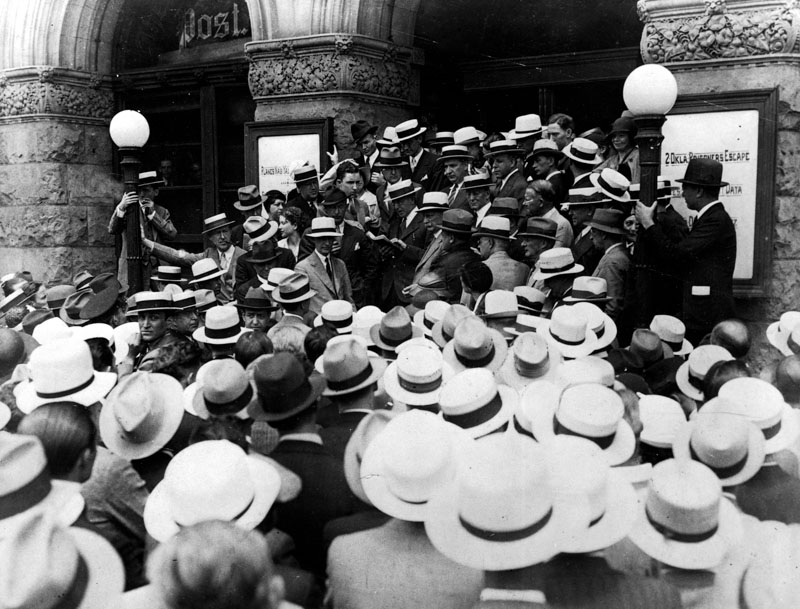
The Post moves to a new building at 1335 E St. NW, next to the National Theatre.
Hutchins sells The Post to Frank Hatton, a Republican Cabinet member, and Beriah Wilkins, a former Democratic congressman.
John Philip Sousa, the U.S. Marine Band leader, introduces “The Washington Post March,” which he wrote especially for the newspaper. It immediately becomes a popular hit and continues to be a marching band favorite today.
Calista Halsey is hired, becoming The Post’s first female reporter.
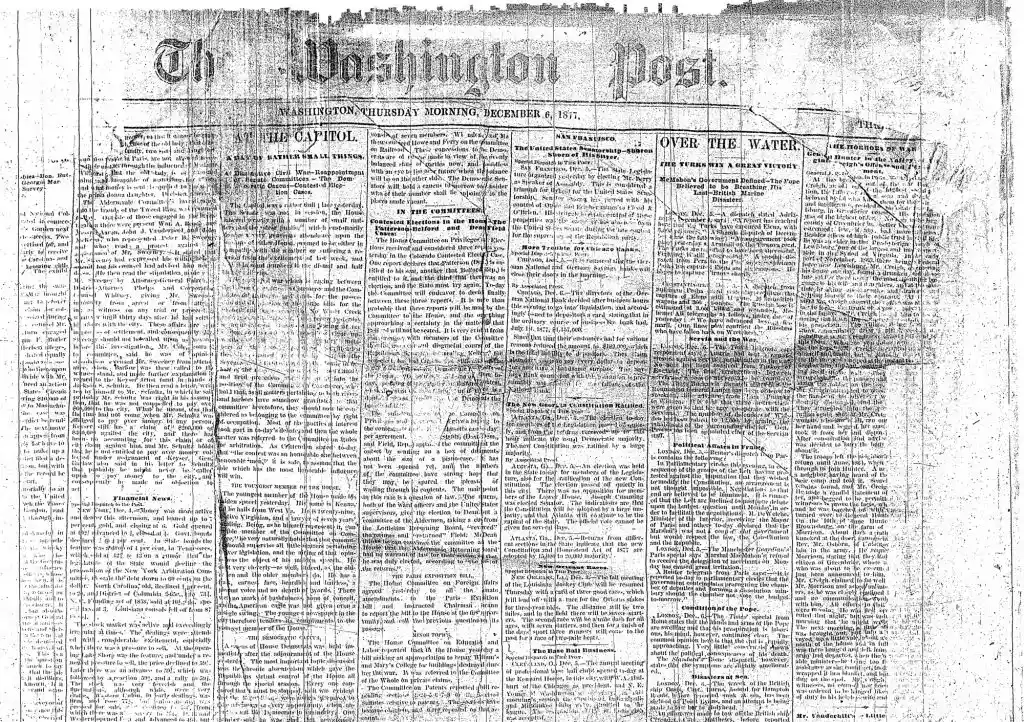
Founded by Stilson Hutchins, The Washington Post begins publishing on Thursday, December 6. Printed at 914 Pennsylvania Avenue, NW, the newspaper contains four pages and costs 3 cents a copy. Circulation: 10,000.